
Plant-Based Protein Supplements: Complete Guide to Benefits and How to Choose
Published on August 21, 2026
Plant-based protein supplements have moved well beyond a niche choice for vegans and vegetarians. Today, athletes, busy professionals, and anyone looking to reduce their reliance on animal products are turning to pea, rice, hemp, and blended plant proteins to support muscle recovery, satiety, and everyday nutrition, and understanding how they actually work makes it much easier to choose one that fits your goals.
What Is Plant-Based Protein?
Plant-based protein refers to protein powders and supplements derived entirely from plant sources rather than dairy, egg, or other animal products. Common sources include pea protein, brown rice protein, hemp protein, soy protein, and blends that combine two or more of these to create a more complete amino acid profile. Unlike whey or casein, single-source plant proteins can sometimes be lower in one or more essential amino acids, which is why many modern formulas blend multiple plant sources together, allowing the strengths of one to offset the limitations of another. The result is a supplement category that has evolved significantly from the chalky, incomplete products of a decade ago into genuinely competitive alternatives to traditional protein powders.
The Science Behind Plant-Based Protein
Protein quality is typically assessed using measures like the Digestible Indispensable Amino Acid Score, which evaluates how well a protein source provides the essential amino acids the body cannot produce on its own. Historically, plant proteins scored lower than animal-based sources on these measures, largely due to lower levels of specific amino acids like lysine or methionine depending on the source. Research directions in recent years have focused heavily on protein blending, combining pea protein, which is rich in lysine but lower in methionine, with rice protein, which offers the reverse profile, to create a more balanced amino acid intake. Studies comparing muscle protein synthesis response to blended plant proteins versus whey have generally found that, when total protein intake and leucine content are adequate, plant-based options can support comparable strength and recovery outcomes over time. The key variable researchers consistently point to is total daily protein intake and amino acid completeness, not necessarily the plant versus animal distinction itself.
Top Benefits of Plant-Based Protein
- Supports muscle recovery: Adequate protein intake after exercise helps repair muscle fibers and supports strength gains over time.
- Easier on digestion for some people: Many plant proteins are naturally free of lactose, making them a comfortable option for those with dairy sensitivities.
- Rich in fiber and micronutrients: Depending on the source, plant proteins often retain more fiber and trace minerals than heavily processed animal-based powders.
- Supports sustainable nutrition goals: Plant protein production generally has a lower environmental footprint compared to animal-based protein sources.
- Helps with satiety: Protein-rich shakes and meals can help extend feelings of fullness, supporting weight management goals.
- Versatile for various diets: Plant-based protein fits naturally into vegan, vegetarian, flexitarian, and omnivorous eating patterns alike.
How to Incorporate Plant-Based Protein Into Your Routine
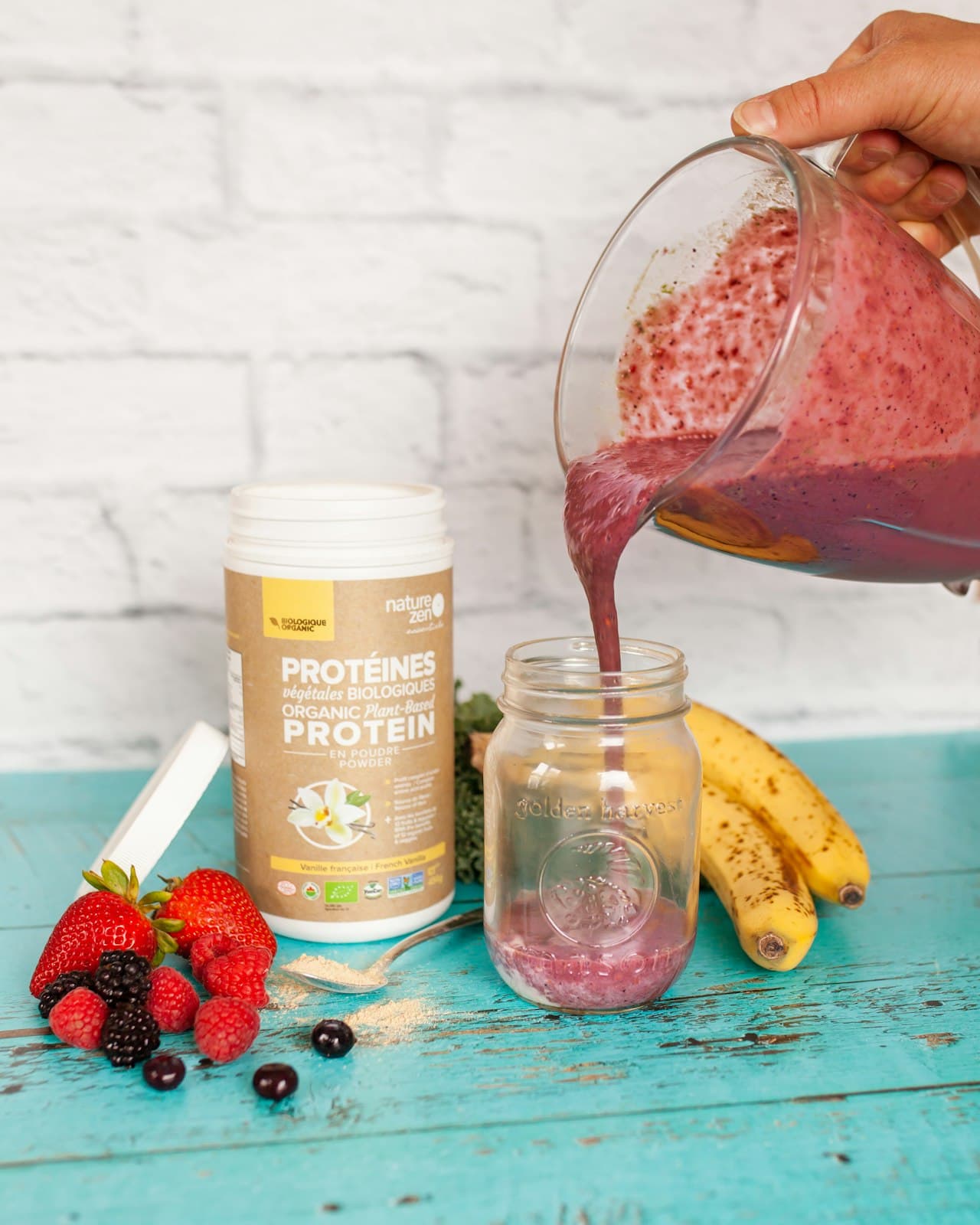
Timing and consistency matter more than any single "perfect" moment to consume protein. A serving after resistance training, mixed into a smoothie with fruit and a liquid base, helps support the muscle repair process during the hours when the body is most receptive to it. Many people also use plant-based protein as a convenient way to boost protein content in breakfast, blending it into oatmeal or pancake batter, since mornings are often when protein intake naturally lags behind the rest of the day. For those transitioning away from animal-based protein sources entirely, spreading intake across three to four servings throughout the day, rather than one large dose, tends to align better with how the body uses amino acids for muscle repair. Pairing a protein supplement with a source of healthy fat or complex carbohydrate can also slow absorption and extend the feeling of fullness.
What to Look for When Choosing a Supplement
The most important factor is a complete or blended amino acid profile, since single-source plant proteins can fall short on specific essential amino acids. Checking the label for total essential amino acid content, and specifically leucine, which plays an outsized role in triggering muscle protein synthesis, is worth the extra minute during a purchase decision. Advanced Amino Formula is one option worth considering for people focused specifically on recovery and stamina, since it's built around a full spectrum of essential amino acids designed to support muscle repair, energy, and endurance rather than relying on a single incomplete protein source. Beyond amino acid completeness, look for minimal added sugar, transparent sourcing information, and third-party testing where available, since protein supplement quality can vary significantly between brands.
Potential Side Effects and Precautions
Plant-based proteins are generally well tolerated, but some people experience mild bloating or gas, particularly with pea or soy-based formulas, especially when introduced in large amounts too quickly. Starting with a smaller serving and gradually increasing it can help the digestive system adjust. Anyone with a soy allergy should carefully check labels, since soy protein is a common base ingredient in many blended formulas. People with kidney conditions should discuss protein supplementation with a healthcare provider, since very high protein intake can place additional strain on kidney function in those with pre-existing impairment. As with any supplement, more is not automatically better, and matching intake to actual activity level and goals produces better results than simply maximizing protein consumption.
Final Thoughts
Plant-based protein has matured into a genuinely effective option for muscle recovery, satiety, and everyday nutrition, provided the amino acid profile is complete and total protein intake is adequate. Whether the goal is supporting a workout routine, reducing reliance on animal products, or simply finding an easily digestible protein source, paying attention to amino acid completeness, ingredient quality, and consistent daily intake will matter far more than the specific brand on the label. For those focused on serious recovery and performance goals, exploring a well-rounded amino acid formula alongside dietary protein sources may offer additional support.
Disclaimer: This article is for informational purposes only and does not constitute medical advice. Always consult a healthcare professional before starting any new supplement regimen.